Top Tips for Choosing Wpc Outdoor Products for Your Needs?
When selecting Wpc Outdoor products, understanding your specific needs is crucial. John Smith, a renowned expert in the Wpc Outdoor industry, highlights, "Choosing the right materials can make or break your outdoor experience." With a myriad of options available, it's easy to feel overwhelmed. Each product has its unique features and benefits.
Considering factors like durability, aesthetics, and cost is essential. Wpc Outdoor products are designed to withstand weather changes, making them ideal for various climates. However, not all Wpc materials are the same. Some may not hold up as expected under extreme conditions. It's vital to research and consult professionals for personalized advice.
Additionally, aesthetics should not be an afterthought. The right color and texture can enhance your outdoor space. Still, overemphasis on looks can lead to ignoring quality. Reflect on your choices. Choosing Wpc Outdoor products wisely can create a beautiful and lasting environment for years to come.
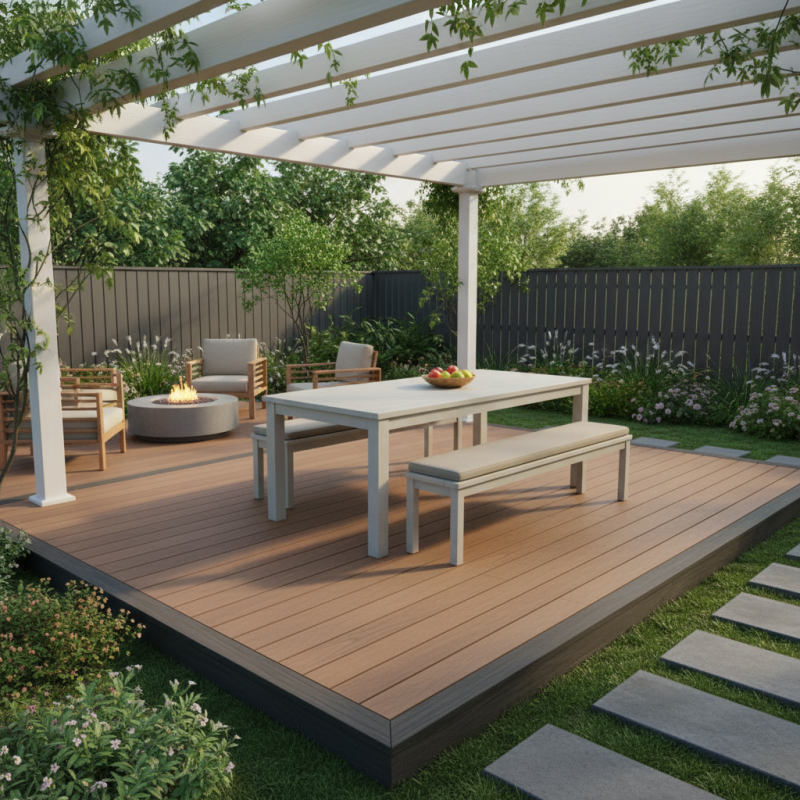
Understanding WPC Outdoor Products and Their Benefits
WPC (Wood Plastic Composite) outdoor products are increasingly popular due to their durability and versatility. These materials combine wood fibers with plastic, offering the aesthetic of wood with the longevity of synthetic materials. According to a report by Markets and Markets, the WPC market is expected to reach a value of $6.9 billion by 2026, underscoring its growing appeal.
When considering WPC products, it's essential to understand their benefits. They are resistant to moisture, insects, and decay. This makes them ideal for decks, fences, and outdoor furniture. WPC composites often require less maintenance compared to traditional wood. However, some users may find that they can fade over time, especially in direct sunlight. Testing samples in your environment can help gauge their performance.
Tip: Evaluate the specific environmental conditions of your location. Extended sun exposure can affect color, while moisture levels can dictate durability.
Moreover, WPC products are often recyclable, which is an advantage for eco-conscious consumers. This aligns with a broader trend toward sustainable living. But remember, not all WPCs are created equal. Some may contain varying levels of recycled materials, impacting their strength and lifespan.
Tip: Research the material composition before making a purchase. Look for certifications that demonstrate quality and safety standards.
Factors to Consider When Selecting WPC Materials for Outdoor Use
When choosing WPC (Wood Plastic Composite) materials for outdoor use, several key factors emerge. Durability is crucial. A report from the American Society for Testing and Materials indicates that high-quality WPCs can withstand harsh weather elements. This resistance is essential for longevity, especially in areas with extreme temperatures or heavy rainfall.
Another important aspect is slip resistance. According to industry data, decking materials can vary widely in their slip ratings. If you plan to install WPC around pools or patios, finding a product with a high slip resistance rating is vital to prevent accidents.
The aesthetics of WPC materials also matter. A survey by the Remodeling magazine revealed that nearly 70% of homeowners prioritize appearance when selecting outdoor materials. Various colors and textures are available, which means you can match your outdoor space accordingly. Despite these advantages, some WPC products may fade or warp over time. It is common for users to encounter issues if proper maintenance is not followed, so consider that factor when deciding on your choice.
Evaluating the Durability and Weather Resistance of WPC Products
When selecting WPC outdoor products, evaluating their durability and weather resistance is crucial.
WPC, or Wood Plastic Composite, combines natural wood fibers with plastic polymers. This mixture enhances strength while reducing decay.
Look for products that have undergone rigorous testing to meet durability standards. Certified materials often indicate superior quality and longevity.
Weather resistance is another vital factor. Some WPC products are engineered to withstand extreme temperatures and moisture.
Examine their resistance to UV rays, which can cause fading and degradation over time. Ask about warranties. A longer warranty often suggests confidence in the product's performance.
However, not all WPC products are created equal. Some may crack or warp when exposed to harsh conditions.
Always research user reviews for real-world performance insights. Remember, it’s essential to consider your local climate and specific environmental factors.
Conducting thorough research can lead to informed decisions, ultimately ensuring a satisfying investment for your outdoor space.
Design Options: Colors, Textures, and Finishes for Your Outdoor Space
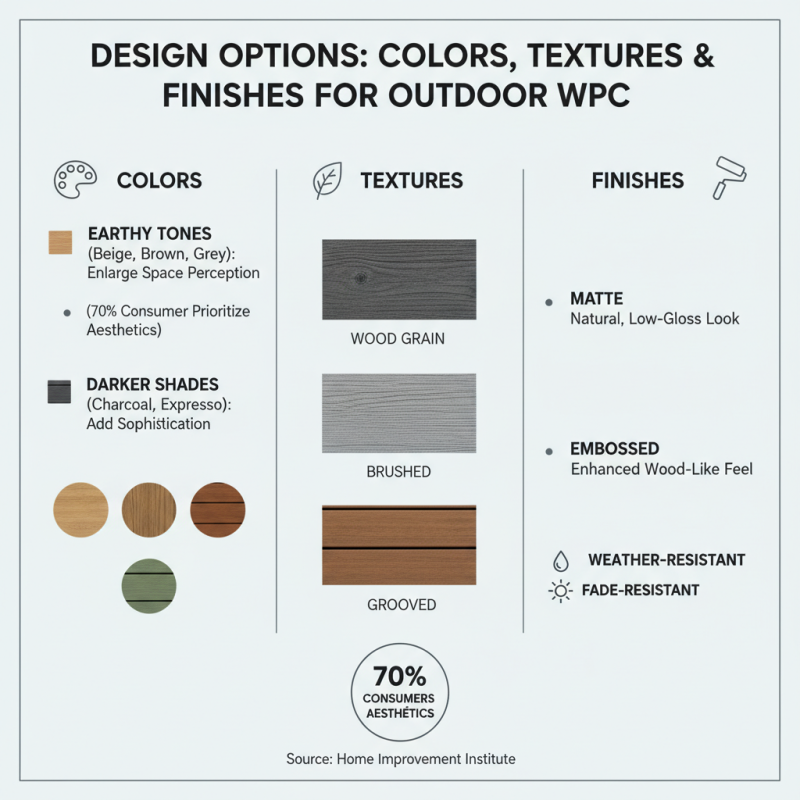
When selecting WPC outdoor products, design options play a crucial role in creating an appealing space. Recent industry reports indicate that 70% of consumers prioritize aesthetics when choosing outdoor materials. Color selection can greatly influence the overall ambiance. Popular choices range from earthy tones to vibrant shades. A study from the Home Improvement Institute states that neutral colors contribute to an enlarged perception of space, while darker shades bring a touch of sophistication.
Textures and finishes also matter in outdoor design. Smooth finishes can create a modern look, while textured surfaces can enhance safety, reducing slips. According to research, products with a wood-like finish are favored by 60% of homeowners for their natural appearance. However, some users note that certain textures may require more maintenance. Reflecting on your climate is also essential; certain finishes may fade quicker in direct sunlight.
While there are many attractive options, personal preference plays a key role. Each element can radically change the feel of your outdoor area. It's essential to balance appearance with functionality. Not every choice will resonate with everyone. Think carefully about how different designs work together.
Budgeting and Cost Considerations for WPC Outdoor Products
When it comes to WPC outdoor products, budgeting is crucial. Start by determining how much you are willing to spend. WPC products can vary greatly in price. High-quality options may come with a hefty price tag, reflecting their durability and design. However, cheaper choices may not stand the test of time. Be wary of low prices that seem too good to be true.
Consider additional costs that may arise. Installation can add to your overall budget. Some WPC products require professional help, while others are DIY-friendly. Think about maintenance expenses as well. While WPC is generally low-maintenance, ensuring its longevity may involve some care. You might need cleaning supplies or occasional repairs.
Reflect on your long-term needs, not just immediate desires. Investing in superior WPC products might seem high upfront, but it can save money over time. Poor-quality products could lead to replacements sooner than expected. Make sure to weigh the costs against the benefits. Sometimes, it’s worth stretching your budget for better quality.

 Hot Selling