Shandong Xiangying New Materials Technology Co., Ltd.

Global demand for Wpc Panel products is rising across façades, partitions, ceilings, and outdoor construction. Grand View Research valued the global wood-plastic composites market at approximately USD 7.49 billion in 2023. Its report forecasts a 7.3% compound annual growth rate from 2024 to 2030. Fortune Business Insights gives a different estimate, projecting the market from USD 7.41 billion in 2023 to USD 12.58 billion by 2032. The difference matters. Definitions, regions, and product categories are not identical.
This guide examines 10 Best WPC Panels for Global Buyers in 2026. The evaluation considers recycled content, moisture resistance, surface stability, fire performance, installation systems, certifications, and supplier transparency. A panel that performs well in a dry showroom may swell beside a humid coastal window. Buyers should request test reports, batch specifications, warranty terms, and independent certification before ordering containers. Small details matter, including panel thickness, edge sealing, screw spacing, and warehouse protection.
Dr. Amar K. Mohanty, a leading biocomposites researcher, has said, “The future is bio-based.” His point remains useful, although sustainability is not automatic. A Wpc Panel may contain recycled polymer and wood fiber, yet still require careful end-of-life planning. No ranking is perfect. Prices change. Formulations change. Regional standards differ. This comparison therefore balances published market evidence with practical purchasing experience, while recognizing that a low-cost panel can become expensive after warping, color fading, or difficult installation.
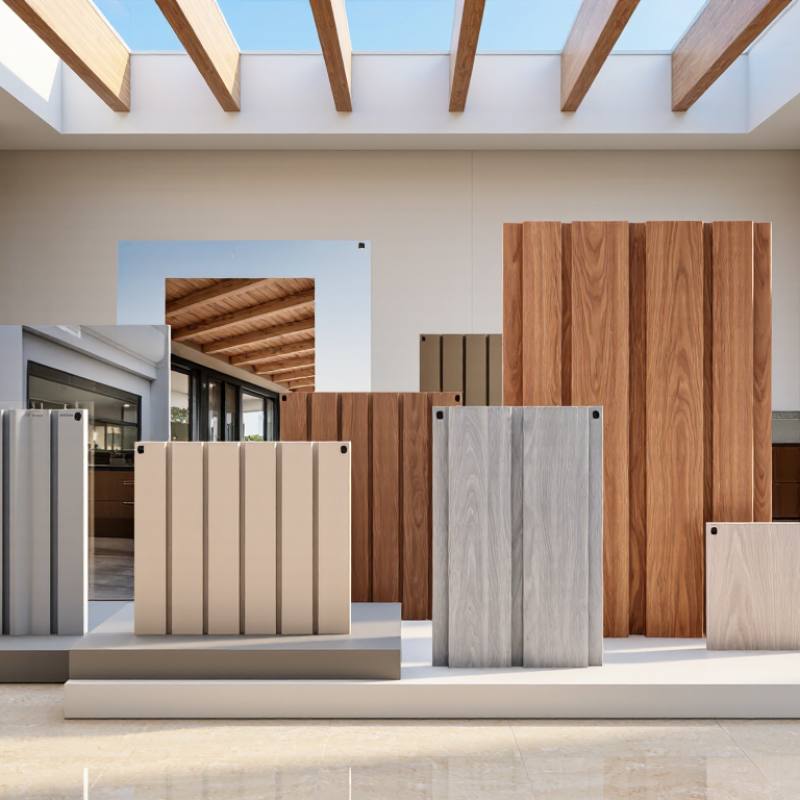
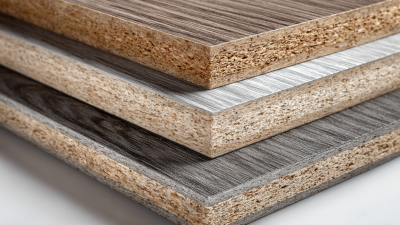
WPC panels combine wood fibers, thermoplastics, and stabilizing additives. Manufacturers extrude this mixture into wall, ceiling, façade, and decorative panels. The result feels warmer than plain plastic, yet resists moisture better than untreated timber. That balance explains their growing appeal among global buyers in 2026.
Grand View Research estimated the global wood-plastic composites market at about USD 7 billion in 2023. Its report also forecasts strong growth through 2030, supported by construction, renovation, and outdoor applications. Another industry assessment by MarketsandMarkets identifies building and construction as a major demand sector. These figures are useful, but definitions differ between reports. Some include decking and automotive parts, not only panels.
In practical use, WPC panels can cover a damp bathroom wall or a sunlit balcony. Their sealed surfaces reduce repainting and routine maintenance. Many products also offer concealed fixing systems, realistic wood textures, and cut-to-size installation. Buyers should still check fire ratings, formaldehyde documentation, thickness tolerance, and local recycling rules. Performance varies sharply between core formulas. A low-cost panel may warp near heat or show uneven color after installation. That is the uncomfortable part. “Water-resistant” does not mean waterproof. Experienced purchasers should request test reports, installation guidance, and samples before comparing the ten best options for their market.

Typical material composition by WPC panel application. Wood fiber, thermoplastic resin, and additives are the main components used in commercial WPC products.
Values are representative formulation midpoints based on commonly published WPC composition ranges; actual specifications vary by product, application, and local standards.
When evaluating WPC panels, start with composition, density, and moisture resistance. A reliable panel should show consistent thickness across its surface. Check the core, not only the decorative finish. Uneven density may cause weak screw holding or visible bending after installation. Request laboratory data for water absorption, flexural strength, impact resistance, and formaldehyde emissions. Test reports should identify the product, testing method, and date.
Fire performance deserves careful attention. Requirements vary between markets and building types. Do not accept vague claims such as “fire safe.” Ask for recognized test classifications and installation conditions. A panel’s performance can change with adhesives, trims, and fixing systems. Small details matter. Compare samples after soaking, heating, and repeated cleaning. A glossy surface may look excellent, but scratches can appear quickly in busy corridors.
Global purchasing also depends on dimensional stability and supply reliability. Measure several panels from one batch, then compare length, width, and thickness tolerances. Confirm packaging strength, pallet protection, container loading, and replacement procedures. Clear technical drawings reduce installation errors. Traceable raw materials and consistent batch records increase confidence. Still, no panel is perfect. Some evaluations overlook color variation under different lighting. Buyers should review samples in their actual project environment and allow time for independent verification. That extra step may feel slow, yet it often prevents expensive rework.
10 Best WPC Panels for Global Buyers in 2026
10 Best WPC Panels for Different Applications and Markets
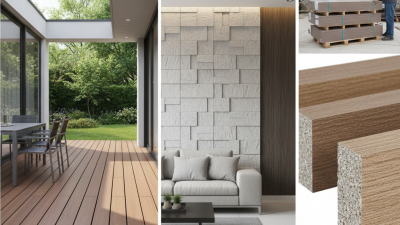
WPC panels serve different needs across residential, commercial, and outdoor projects. Interior wall panels suit bedrooms, corridors, and retail displays. Ceiling panels can reduce maintenance in humid buildings. Bathroom-grade panels need low water absorption and sealed edges. Kitchen backsplash panels should resist stains, heat, and repeated cleaning. Acoustic panels may improve office comfort, but their performance depends on backing materials and installation gaps.
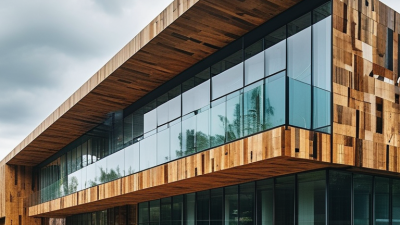
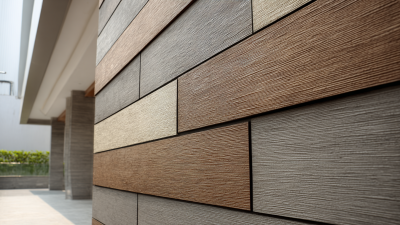
Exterior cladding works well for balconies, villas, and small commercial façades. It should tolerate sunlight, rain, and seasonal temperature changes. WPC decking panels fit terraces, pool surrounds, and hospitality areas. Textured surfaces can improve grip, although dirt may collect in deeper grooves. Partition panels help divide offices and stores without heavy masonry. Fencing panels offer privacy and a consistent appearance. Lightweight decorative panels can support quick renovations in rental properties.
Market conditions influence the best choice. Tropical regions require stronger moisture protection and ventilation behind the panels. Cold climates need stable profiles and suitable expansion spaces. Coastal projects should consider salt exposure and corrosion-resistant fasteners. Always request technical data, fire information, color samples, and installation instructions. A sample can look excellent under showroom lighting. It may appear different outdoors. No panel is perfect. Buyers should test a small area before placing a large order. Poor spacing or weak supports can damage even a well-made product.
For global buyers in 2026, the ten best WPC panels should be judged by measurable value, not attractive samples alone. A reliable panel has consistent thickness, even color, clean edges, and stable dimensions. Check the wood-plastic ratio, surface density, moisture resistance, and fire performance before comparing prices. A sample that feels heavy may still perform poorly if its core contains voids.
Performance depends on the application. Interior wall panels need low odor, scratch resistance, and simple cleaning. Exterior panels require stronger UV resistance, controlled water absorption, and dependable fastening. Acoustic panels should be tested for sound absorption, not judged by felt thickness. In humid regions, expansion gaps and ventilation matter greatly. Small installation errors can create visible warping.
Total cost includes more than the factory quote. Buyers should calculate packaging, ocean freight, import charges, waste, accessories, labor, and replacement risk. A cheaper panel may need extra framing or frequent repairs. A higher-grade option can reduce those costs, but not always. I have seen premium-looking surfaces fail because installers ignored local climate data. That mistake is easy to repeat. Request third-party test reports, batch samples, warranty terms, and installation instructions. Compare results under similar conditions. Then question any supplier that avoids clear specifications, even when the panel price looks unusually attractive.
A practical comparison of representative WPC panel specifications, performance indicators, and estimated total ownership cost.
| Rank | Generic Panel Profile | Recommended Use | Core Composition | Standard Thickness | Typical Density | Water Absorption 24 h |
Flexural Strength | UV & Weather Resistance | Surface Maintenance | Indicative Material Cost USD/m² |
Estimated Installed Cost USD/m² |
Overall Value |
|---|---|---|---|---|---|---|---|---|---|---|---|---|
| 1 | Exterior Co-Extruded Cladding | Facades, balconies, rainscreen walls | Wood fiber + recycled HDPE + UV cap layer | 20–25 mm | 1,250–1,400 kg/m³ | ≤2.0% | ≥25 MPa | High; formulated for prolonged outdoor exposure | Low; periodic washing | $35–65 | $75–150 | Excellent |
| 2 | High-Density Solid Wall Panel | High-traffic interiors, commercial walls | Wood fiber + PVC or HDPE polymer matrix | 18–22 mm | 1,100–1,300 kg/m³ | ≤3.0% | ≥22 MPa | Medium to high, depending on coating | Low; wipe-clean finish | $28–52 | $60–125 | Excellent |
| 3 | Hollow-Core Outdoor Panel | Covered terraces, soffits, light facades | Wood fiber + recycled polymer with hollow chambers | 25–30 mm | 850–1,050 kg/m³ | ≤3.0% | ≥18 MPa | High with pigment and stabilizer package | Low; occasional rinsing | $22–42 | $50–105 | Very Good |
| 4 | Interior Slatted Acoustic Panel | Offices, restaurants, media rooms | WPC slats on recycled PET acoustic backing | 21–25 mm overall | 650–900 kg/m³ | ≤5.0% | ≥15 MPa | Not intended for direct weather exposure | Very low; dry or damp cleaning | $30–60 | $65–130 | Very Good |
| 5 | Textured Stone-Grain Panel | Feature walls, hospitality interiors | Wood flour + PVC with embossed decorative surface | 8–12 mm | 1,000–1,250 kg/m³ | ≤4.0% | ≥18 MPa | Medium; best suited to sheltered areas | Low; textured surface hides minor marks | $18–35 | $42–90 | Good |
| 6 | Fire-Retardant Interior Panel | Hotels, corridors, public interiors | WPC core with mineral fillers and fire-retardant additives | 10–15 mm | 1,150–1,450 kg/m³ | ≤3.0% | ≥20 MPa | Interior grade; UV exposure should be limited | Low; cleanable decorative coating | $25–48 | $55–115 | Very Good |
| 7 | Moisture-Resistant Bathroom Panel | Bathrooms, kitchens, utility rooms | Low-absorption PVC/WPC composite with sealed edges | 8–10 mm | 900–1,150 kg/m³ | ≤1.5% | ≥16 MPa | Medium; suitable for indoor lighting | Very low; non-porous wipe-clean finish | $16–32 | $38–82 | Good |
| 8 | Recycled-Content Economy Panel | Budget interior renovation projects | Recycled polymer + wood fiber with standard protective film | 8–12 mm | 800–1,050 kg/m³ | ≤5.0% | ≥12 MPa | Low to medium; primarily for interiors | Low; standard household cleaning | $12–25 | $30–68 | Good Budget Choice |
| 9 | Deep-Embossed Premium Panel | Luxury interiors, retail displays | High wood-fiber content with premium embossed coating | 10–15 mm | 1,050–1,300 kg/m³ | ≤3.5% | ≥18 MPa | Medium to high, subject to coating specification | Low; finish may require gentle cleaners | $28–58 | $62–135 | Very Good |
| 10 | Lightweight Clip-In Panel | Retail fit-outs, temporary partitions | Foamed polymer core with wood-fiber surface layer | 12–18 mm | 550–800 kg/m³ | ≤4.0% | ≥10 MPa | Low to medium; indoor use recommended | Low; removable and easy to replace | $14–29 | $32–75 | Good Budget Choice |
Data Notes
Values are representative 2026 market ranges for commercially available WPC wall-panel categories. Actual performance depends on polymer type, wood-fiber content, additives, profile design, coating, installation system, climate, and testing method.
Water absorption and flexural strength should be verified against the supplier’s test report, commonly using relevant ASTM, ISO, or EN methods. Fire classification is project-specific and must be confirmed through a valid local test certificate; WPC panels should not be treated as automatically fire-rated.
Installed-cost estimates include typical clips or adhesive, basic trims, labor, and normal substrate preparation, but exclude major structural repairs, taxes, import duties, scaffolding, and unusually complex site conditions.
Selecting WPC panels starts with the project environment, not the catalog image. Confirm the ratio of wood fiber to polymer, panel density, surface texture, and intended use. Outdoor walls need stable color, low water absorption, and resistance to temperature changes. Interior panels may prioritize appearance and easy installation. Ask for technical data, production photos, and recent test reports. A small sample reveals more than polished sales language. Check its weight, edge finish, smell, flexibility, and color consistency. A perfect panel rarely exists.
Tips: Compare at least three samples. Test cutting and fastening locally. Record every specification in writing. Do not trust “waterproof” without defined test conditions.
Reliable sourcing requires factory verification, not only online communication. Review manufacturing capacity, quality-control steps, packaging methods, and experience with export documents. Request a pre-shipment inspection, especially for large orders. Confirm panel dimensions, carton protection, loading plans, and replacement terms before payment. Import costs include freight, insurance, duties, handling, and possible storage delays. Verify destination-country standards and labeling requirements with a qualified customs professional. Small documentation errors can become expensive.
Allow time for correction. Initial samples may look different from mass production. Compare approved samples during inspection. Keep the process transparent, measurable, and slightly cautious.