Best Garden Fence WPC Solutions for Your Outdoor Space?
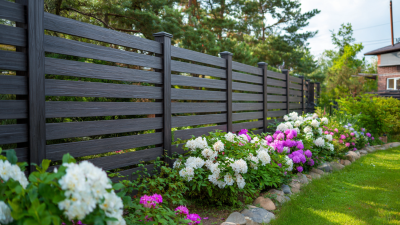
In the world of landscaping, the choice of a fence can make or break your outdoor space. According to renowned expert Jane Smith, "A well-chosen Garden Fence WPC not only provides security but enhances the beauty of your garden." This sentiment embodies the essence of blending functionality with aesthetics.
Garden Fence WPC solutions have gained popularity for their durability and low maintenance. Unlike traditional wood, these composite fences resist rot and require less upkeep. Homeowners appreciate their ability to withstand various weather conditions while retaining a polished look. However, the initial cost can be a barrier for some. It's crucial to weigh long-term benefits against upfront investments.
Yet, even with their advantages, Garden Fence WPC products have limitations. Some may not have the same rustic charm that natural wood exudes. Aesthetics vary, and homeowners need to explore different styles. Ultimately, selecting the right garden fence requires careful consideration of factors like budget, style, and purpose. Understanding these elements contributes to creating an outdoor space that feels just right.
Understanding WPC Material: Benefits for Garden Fencing
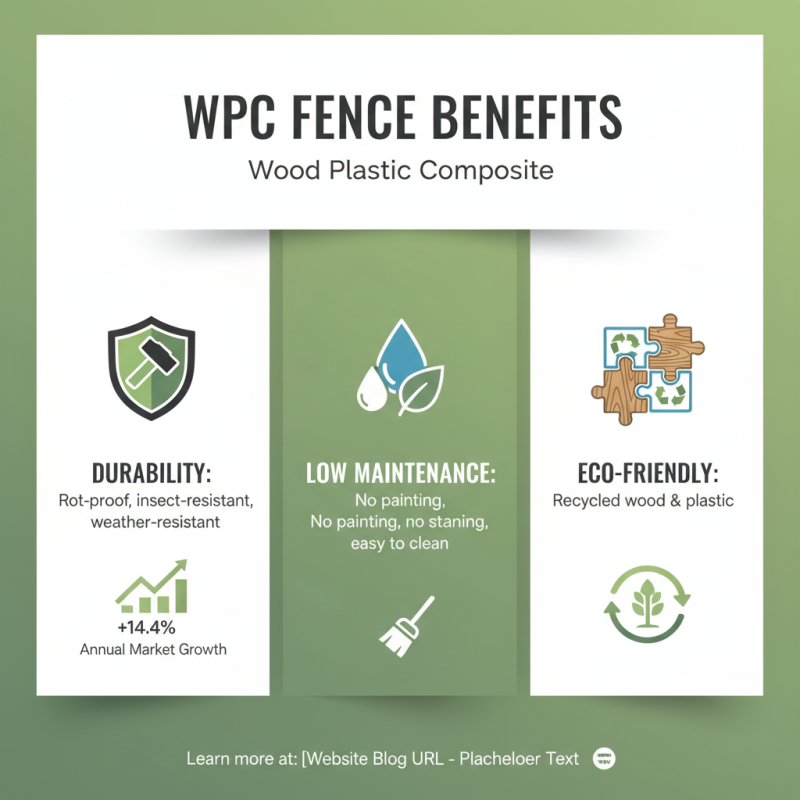
WPC, or Wood Plastic Composite, is an emerging material in garden fencing. Its blend of wood fibers and recycled plastics offers a range of benefits. According to a recent industry report, the global WPC market is expected to grow by 14.4% annually, demonstrating its rising popularity. Homeowners are drawn to WPC for its durability and low maintenance requirements.
Unlike traditional wood, WPC is resistant to rot and insects. This resilience can lead to a longer lifespan, potentially reducing replacement costs. A study found that WPC fences can last up to 25 years, compared to an average of 10-15 years for conventional wood fences. The material also has a lower carbon footprint, as it utilizes recycled plastics.
However, WPC isn't without its challenges. Some users find it lacking in natural aesthetics compared to real wood. The appearance can feel synthetic, which may not suit every outdoor design. Additionally, initial costs can be higher than conventional wood. Evaluating the trade-offs is essential when choosing a fencing material for your outdoor space.
Types of WPC Garden Fencing Solutions Available on the Market
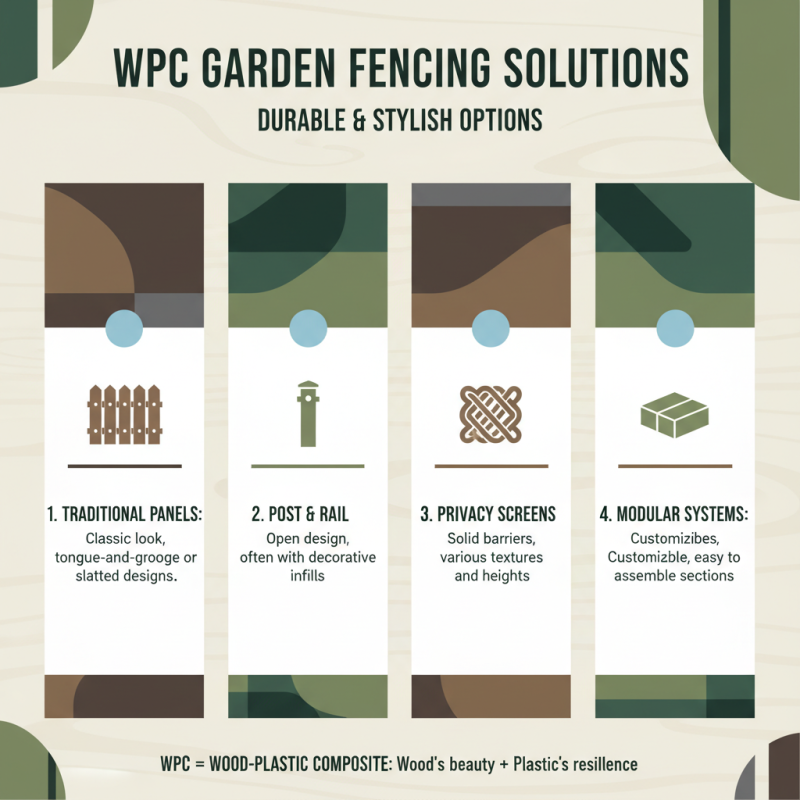
When it comes to WPC garden fencing solutions, a variety of options are available. WPC stands for wood-plastic composite, a popular choice for durability and style. This material combines the best of both worlds—wood’s natural beauty and plastic’s resilience.
One common type of WPC fencing is privacy panels. These panels provide a solid barrier, perfect for creating secluded spaces. They come in various colors and textures, allowing homeowners to customize their gardens. Another option is the picket style. This design adds charm while offering a glimpse into the garden. It strikes a balance between openness and security.
Many homeowners find a challenge in choosing the right type. The options seem endless, and each offers unique benefits. Some WPC fences can have a higher upfront cost, leading to mixed feelings about investment. However, considering the long lifespan of these fences may help in making a decision. Being aware of maintenance needs is also crucial. While they require less upkeep than traditional wood, routine checks are still necessary to ensure longevity.
Factors to Consider When Choosing WPC Fencing for Your Garden
When selecting WPC (Wood Plastic Composite) fencing for your garden, consider several essential factors. Durability is key. WPC is designed to withstand various weather conditions without warping or cracking. It offers resistance to pests like termites, which can be a major problem for traditional wood fences. However, it's important to verify the quality of the materials used in your chosen WPC.
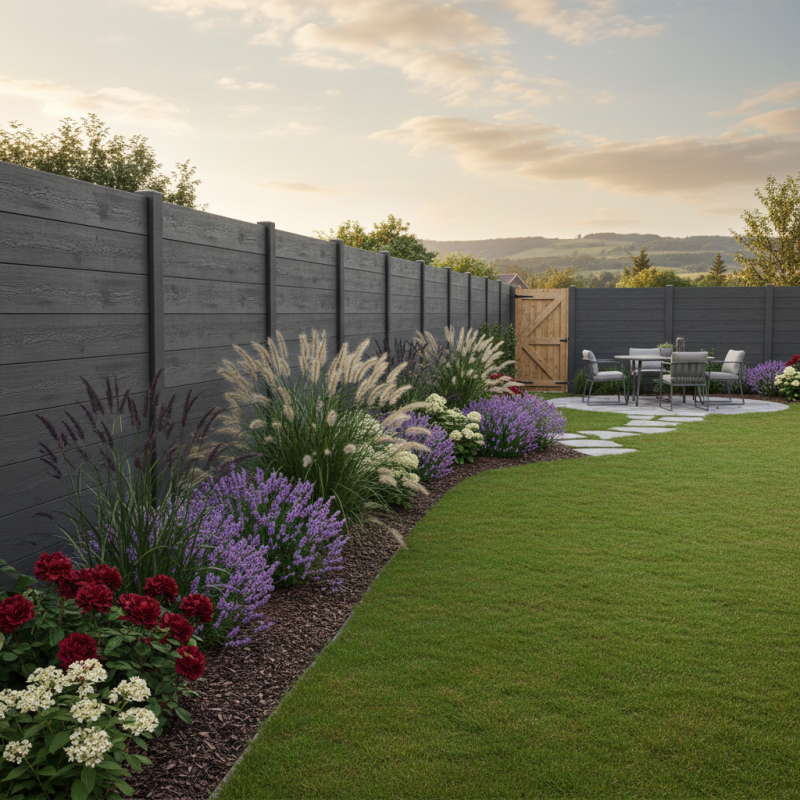
Another aspect to reflect on is aesthetics. WPC fencing comes in various colors and textures, mimicking natural wood while ensuring longevity. You should visualize how the fence will blend with your garden's style. Consider patterns and heights that draw attention to your plants or create privacy. Think about how much light you want to filter through; some designs offer spaces for plants to flourish.
Maintenance requirements should not be overlooked. WPC often requires less upkeep than wood, but that doesn’t mean no care is needed. Cleaning the fence regularly can preserve its appearance. Some users find themselves doing more maintenance than expected, especially if they live in areas with heavy foliage. Taking these factors into account can lead to a better decision, ensuring your garden fence enhances your outdoor space effectively.
WPC Fencing Options Comparison
Installation Tips for WPC Fencing in Outdoor Spaces
When installing WPC fencing in your outdoor space, it’s essential to begin with a clear plan. Measure the area accurately. Know where your property lines are. This helps avoid any disputes with neighbors. WPC boards can warp if not properly installed. Therefore, always follow the manufacturer’s guidelines during the installation process.
The ground should be level. If it isn’t, dig or fill to create a stable base. Uneven surfaces can lead to leaning fences over time. Make sure to use high-quality posts, as they provide essential support. Digging deep enough for the posts is crucial. Aim for at least one-third of the post length to be underground.
It’s wise to allow for expansion and contraction. WPC materials can react to temperature changes. This means leaving small gaps between panels can be beneficial. Consider using a level frequently as you secure the fence. Check for vertical alignment regularly. This step often gets overlooked, leading to unforeseen issues later on. Patience and attention to detail will lead to a more reliable and lasting outcome.
Maintenance Practices for Longevity of WPC Garden Fences
Maintaining WPC (Wood Plastic Composite) garden fences is essential for ensuring their longevity. Research indicates that proper upkeep can extend their lifespan beyond 25 years. WPC is resistant to moisture, insects, and decay, but it still requires attention. Regular cleaning is crucial. A gentle pressure wash can remove dirt and grime without damaging the material.
Tips for maintenance: Clean your fence biannually. Use mild soap mixed with water. Avoid harsh chemicals which can degrade the composite. Inspect your fence for cracks or splintering at least once a year. Addressing small issues early can prevent larger repairs later.
Another aspect to consider is UV exposure. While WPC is designed to withstand sun damage, UV stabilizers might wear over time. Applying a protective sealant every few years helps maintain vibrancy. Use a sealant rated for composite materials for the best effect.
In colder climates, WPC may contract, leading to gaps. Inspect joints and consider adding weatherproof caulking for extra protection. Simple practices can make a big difference. Understanding these nuances ensures your WPC fence remains a beautiful, secure part of your garden for years.
Best Garden Fence WPC Solutions for Your Outdoor Space? - Maintenance Practices for Longevity of WPC Garden Fences
| Feature |
Description |
Maintenance Frequency |
Estimated Longevity |
| Material Composition |
Wood-plastic composite (WPC) that is durable and weather resistant. |
Initial inspection every 6 months. |
15-25 years. |
| Cleaning |
Requires gentle cleaning with soap and water to maintain appearance. |
Annual cleaning. |
N/A |
| UV Resistance |
Natural resistance to UV rays which prevents fading. |
Monitor condition every year. |
N/A |
| Rot Resistance |
Highly resistant to rot compared to traditional wood fencing. |
Inspect annually. |
N/A |
| Installation |
Requires professional installation for best results. |
Check stability after installation. |
N/A |

 Hot Selling